Can Perimenopause Really Affect Your Job Performance?
If you've been finding yourself forgetting things at work, snapping at colleagues, staring at your computer screen unable to focus, or crying in your car before walking into the office — you are not lazy, you are not burned out, and you are not "losing it."
You might be in perimenopause.
And yes — it can absolutely affect your job performance. As a psychiatric nurse practitioner who treats perimenopausal women every day, and as someone who is personally navigating perimenopause herself, I can tell you with both clinical confidence and lived experience: this is real, it is valid, and you deserve help.
What Even Is Perimenopause?
Perimenopause is the transitional phase leading up to menopause — the point when your menstrual cycles permanently stop. During perimenopause, your estrogen, progesterone, and testosterone levels begin to fluctuate and decline. This hormonal shift can begin as early as your late thirties and can last anywhere from a few years to over a decade.
Here's what most women don't know: you don't need to be in your late 40s or 50s to be in perimenopause. Many of my patients are surprised to learn that what they've been experiencing since their late 30s or early 40s has a name — and a treatment.
The Myth That Keeps Women Stuck
Before we talk about how perimenopause shows up at work, we need to address the single biggest misconception that prevents women from getting the help they need.
“If your labs are normal, you aren't in perimenopause.
This is simply not true — and it is one of the most harmful things a doctor can tell a struggling woman.
Reproductive hormone lab work — estrogen, FSH, LH, and testosterone levels — fluctuates constantly during perimenopause. A single blood draw can look completely normal even when someone is experiencing debilitating symptoms. Perimenopause is a clinical diagnosis, meaning it is based entirely on your symptoms, not your lab results.
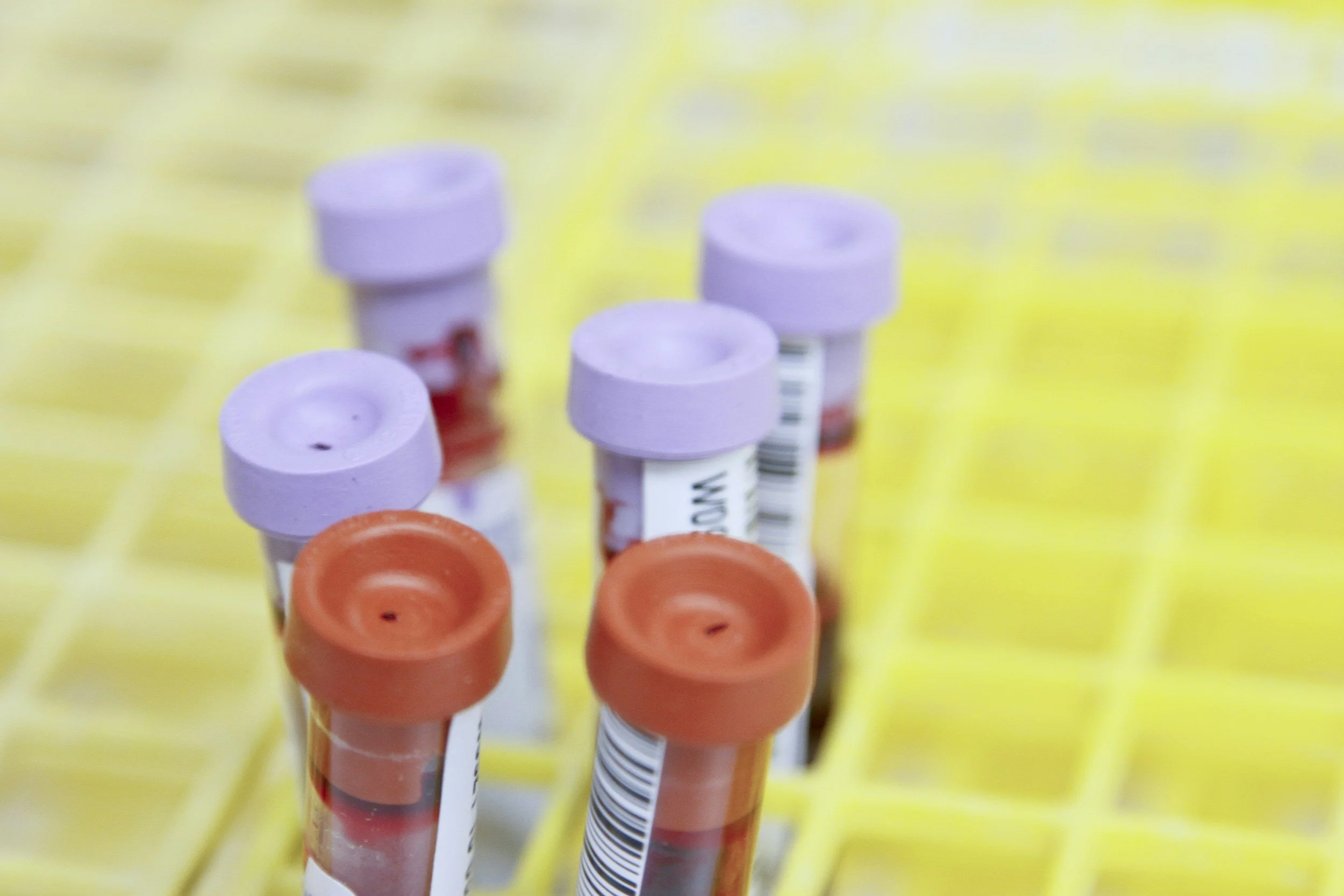
“They told me my labs were normal.”
If a doctor has told you your labs are normal and sent you on your way, please seek a second opinion. Your symptoms are real. Your experience is valid. Normal labs do not mean nothing is wrong.
How Perimenopause Actually Shows Up At Work
The hormonal changes of perimenopause don't stay neatly at home. They follow you into every meeting, every patient interaction, every deadline, and every difficult conversation with your boss. Here is what that can look like.
1) Brain Fog and Cognitive Struggles
One of the most disruptive and distressing symptoms of perimenopause is what most women describe as brain fog. This can include:
Difficulty concentrating or staying on task
Forgetting things you have known how to do for years
Feeling easily distracted or mentally scattered
Taking much longer to complete tasks that used to feel effortless
Feeling like the quality of your work is slipping

“Why can’t I get anything done?”
Many women describe brain fog as thinking through mud. For high-achieving professionals, this is particularly distressing because it feels completely out of character. You may find yourself second-guessing your work, missing deadlines, or feeling self-conscious — convinced that everyone around you can see you struggling.
2) Irritability, Anxiety, and Emotional Overwhelm
Declining hormones don't just affect your thinking. They affect your entire emotional landscape. Women in perimenopause often experience:
Feeling like normal job tasks are suddenly impossible to manage
Impatience or short-temperedness with colleagues or supervisors
Angry outbursts when pushed even slightly beyond your limit
Anxiety that makes everything feel urgent and catastrophic
Feeling overstimulated by noise, touch, or busy environments
That last point — overstimulation — is something that doesn't get talked about enough. Women in perimenopause can become hypersensitive to sensory input. A noisy open office, a crowded meeting room, or even a colleague standing too close can feel genuinely overwhelming. This isn't a personality change. This is your nervous system responding to a significant hormonal shift.
3) Exhaustion From Disrupted Sleep
Many perimenopausal women are running on chronically poor sleep, and it shows up everywhere — including at work. Common sleep disruptions include waking in the early morning hours, typically between 1 and 4am, and being unable to fall back asleep for one to two hours, if at all. Night sweats can be so severe that sheets and pajamas need to be changed in the middle of the night, making it nearly impossible to get comfortable enough to sleep again.
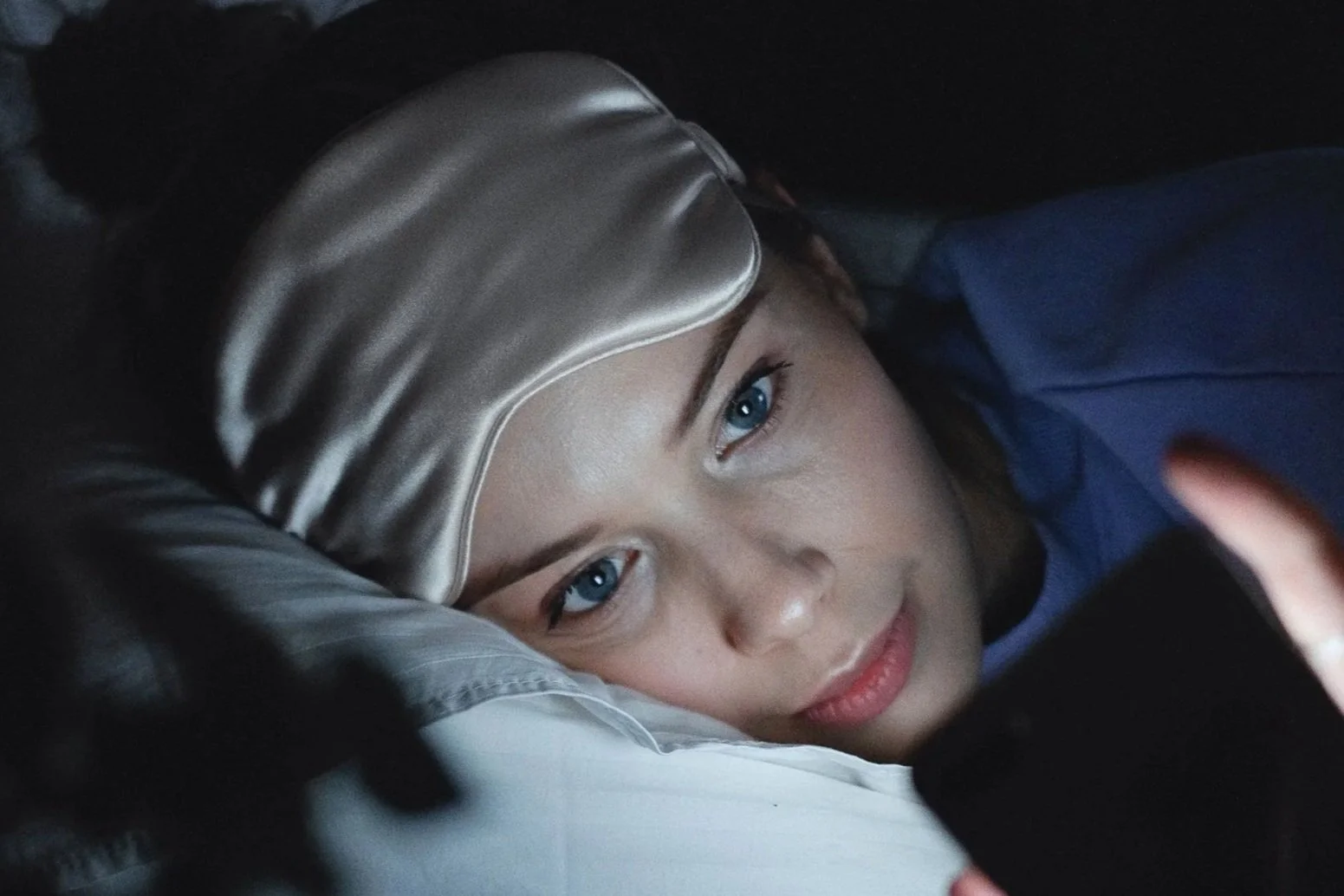
"I'm just so tired all the time."
What makes this particularly difficult is that sleep disruption during perimenopause can be resistant to typical interventions. Supplements, good sleep hygiene, and even prescription sleep medications may not fully resolve it. And over time, chronic poor sleep makes mood, anxiety, and cognitive function significantly worse — creating a cycle that feels impossible to break.
A Special Note for Women With ADHD
If you have ADHD and your medication has suddenly started to feel less effective than it used to, perimenopause may be a contributing factor. Declining estrogen and progesterone can make ADHD symptoms significantly worse, which means the dose or medication that worked well for years may no longer be enough. This is an important and often overlooked conversation to have with your prescriber.
The Confidence Crash
Perhaps the most heartbreaking impact of perimenopause on work life isn't any single symptom — it's what those symptoms do to a woman's sense of self. Women who have been competent, confident, and capable for decades suddenly feel insecure and unsure of themselves. They start to believe that everyone around them can see them falling behind. They pull back from promotions, new opportunities, or career changes because they no longer trust themselves the way they once did.
This is not weakness. This is what happens when your brain chemistry and hormones shift in ways that are completely outside of your control. The woman you were before perimenopause hasn't disappeared. She just needs the right support to find her way back.
A Story That Might Sound Familiar
A woman in her late thirties was working full time as a nurse while completing a graduate school program — something she had successfully managed before. But this time, things felt different. She was forgetting assignments, burning out quickly, and struggling to give her patients the empathic, attentive care she was known for. She wasn't sleeping. She was anxious constantly — about work, school, and her family.
She assumed it was stress and left her full time job. She finished her program. But the anxiety and sleep problems didn't go away. No matter what she tried — medications, supplements, better sleep routines — she would wake in the early morning hours and lie there for hours. She took on a new full time role and felt overwhelmed by a workload that should have been manageable. She went through a divorce. She started taking mental health days she had never needed before and leaned on friends just to get through the hardest ones.
She felt broken. Insecure. Like she would never feel like herself again.
Then she came across perimenopause content on social media. The symptoms she read about mirrored her own almost exactly. She brought it up to her OB/GYN — and was dismissed.
She didn't give up. She found a perimenopause clinic, began hormone replacement therapy, and experienced almost immediate relief once she reached stable doses of estradiol, progesterone, and testosterone. Today, she describes feeling normal again — like herself.
Her story is mine. This was what I experienced and it is not unique. I hear versions of it in my clinic every single week. I see more women in their late 30s and early 40s than any other patient. They are tired. They are overwhelmed. They can’t manage it all anymore. I know exactly what that feels like.
What You Can Do Right Now
Reach Out for Help — Don't Wait
Talk to your primary care provider, OB/GYN, therapist, or a provider who specializes in perimenopause. You don't have to figure this out alone, and you don't have to keep suffering through it. The sooner you get support, the sooner you can start feeling like yourself again.
Don't Accept Being Dismissed
If you bring up perimenopause and your doctor points to normal lab work as proof that nothing is wrong, get a second opinion. Hormone levels are not required to diagnose perimenopause. Your symptoms are the only diagnostic criteria that matter. Find someone who will listen to your full story and take it seriously.

Consider HRT — And Know It's Not Always the Whole Picture.
HRT is not always a complete solution on its own.
Breakthrough symptoms — anxiety, sleep disruption, mood changes, cognitive struggles — can persist even with HRT. That's where additional psychiatric and behavioral support becomes important.
Hormone replacement therapy can carry a significant portion of the symptom load for many women and is worth exploring with a qualified provider if you are able and willing.
Know Your Workplace Rights
You don't have to silently struggle at work. If your symptoms are significantly impacting your job performance, workplace accommodations may be available to you. With a letter from your doctor or psychiatric provider, you may be able to work from home more frequently, move to a quieter workspace to reduce sensory overload, or adjust your schedule to better support your needs. Talk to your HR department. You are not asking for special treatment — you are managing a legitimate medical condition.
Build a Comprehensive Support Plan
Perimenopause is not just a hormonal issue. It affects your mental health, your sleep, your relationships, and your sense of identity. A truly effective treatment plan may include a combination of supplements, psychiatric medication adjustments, lifestyle and behavioral changes, therapy, and HRT coordinated with your OB/GYN or primary care provider. There is no single solution that works for everyone, and you deserve a plan that is built around your specific experience.
You Deserve To Be Heard
Women should not be penalized at work for a biological process they have no control over. And yet, so many women are quietly suffering — scaling back their ambitions, doubting their abilities, and wondering what happened to the capable, confident person they used to be.

“What happened to me? I feel like a completely different person.”
The answer is not that you are gone. The answer is that your hormones are shifting, your sleep is disrupted, and you haven’t yet found the right support. But it’s out there and more accessible than ever.
At our clinic in the Denver area, we work with women navigating perimenopause and its impact on mental health and daily functioning. We bring something that is genuinely rare to this work: both professional expertise and personal lived experience. We understand what you are going through — not just clinically, but personally. We want you to feel heard, understood, and helped, all in the same place.
If you are struggling — with or without HRT — and you aren't finding the relief you need, we would love to help you build a plan that actually works for you.